

FULL PALETTE: SYMPTOMS & TRIGGERS

Swelling Attacks & Symptoms
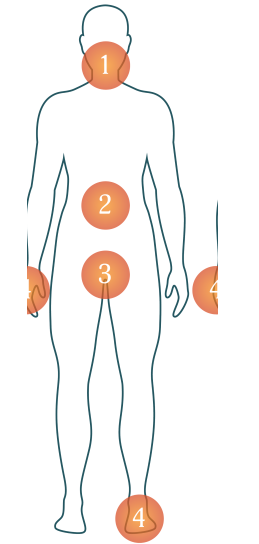
Symptoms of hereditary angioedema (HAE) can vary from person to person, and may appear in the following areas:

Face/Throat
Swelling in the face, lips, tongue, or throat can be serious. Throat swelling can block your airway, making it difficult to breathe, and can be a life-threatening medical emergency.1 Most people living with HAE experience a laryngeal attack in their lifetime.2

Stomach/GI Area
Stomach pain is very common. Chronic abdominal pain is reported by the majority of people living with HAE.3

Genitals
Attacks in the genital region can be particularly stressful because they often negatively impact intimacy, relationships, and mental health.4,5

Hands/Feet
Painful, non-itchy swelling in the hands, feet, arms, and legs can make it difficult or impossible to walk, write, or perform other daily tasks.4

Common Triggers

Stress and anxiety:
These are among the most frequently reported triggers for HAE attacks. Some people report the stress of worrying about an attack can actually trigger one.6-8

Medical or dental procedures:
Surgeries and dental work—even if minor—have the potential to trigger attacks. Always inform your doctors, dentists, and surgeons that you have HAE before undergoing any procedure, no matter how minor.6,7

Physical activities:
Physical pressure or injury can often provoke swelling. This can be from minor injuries or physical exertion, or can develop spontaneously.1,4

Hormonal changes:
Some people find their attacks are influenced by hormonal fluctuations, such as those that occur during puberty, menstrual cycles, or pregnancy.7
The Treatment Tradeoffs
Stay
Informed
References:
- Ghazi A, Grant JA. Hereditary angioedema: epidemiology, management, and role of icatibant. Biologics. 2013;7:103-113. doi:10.2147/BTT.S27566
- Bork K, Anderson JT, Caballero T, et al. Assessment and management of disease burden and quality of life in patients with hereditary angioedema: a consensus report. Allergy Asthma Clin Immunol. 2021;17(1):40. doi:10.1186/s13223-021-00537-2
- Staller K, Lembo A, Banerji A, Bernstein JA, Shah ED, Riedl MA. Consider hereditary angioedema in the differential diagnosis for unexplained recurring abdominal pain. J Clin Gastroenterol. 2022;56(9):740-747. doi:10.1097/MCG.0000000000001744
- De Maat S, Hofman ZLM, Maas C. Hereditary angioedema: the plasma contact system out of control. J Thromb Haemost. 2018;16(9):1674-1685. doi:10.1111/jth.14209
- Camyar A, Bulut G, Ozisik M, et al. Genital attacks in hereditary angioedema and their effects on sexual life. Medicina. 2024;60(11):1777. doi:10.3390/medicina60111777
- Zuraw BL. Clinical practice. Hereditary angioedema. N Engl J Med. 2008;359(10):1027-1036. doi:10.1056/NEJMcp0803977
- Busse PJ, Christiansen SC, Riedl MA, et al. US HAEA Medical Advisory Board 2020 guidelines for the Management of Hereditary Angioedema. J Allergy Clin Immunol Pract. 2021;9(1):132-150.e3. doi:10.1016/j.jaip.2020.08.046
- Lumry WR, Settipane RA. Hereditary angioedema: epidemiology and burden of disease. Allergy Asthma Proc. 2020;41(Suppl 1):S08-S13. doi:10.2500/aap.2020.41.200050
This information is for educational purposes only and is not intended to constitute medical advice. For all healthcare decisions, talk with your healthcare team.